

Είχε έμφραγμα και του άλλαζαν το αίμα!
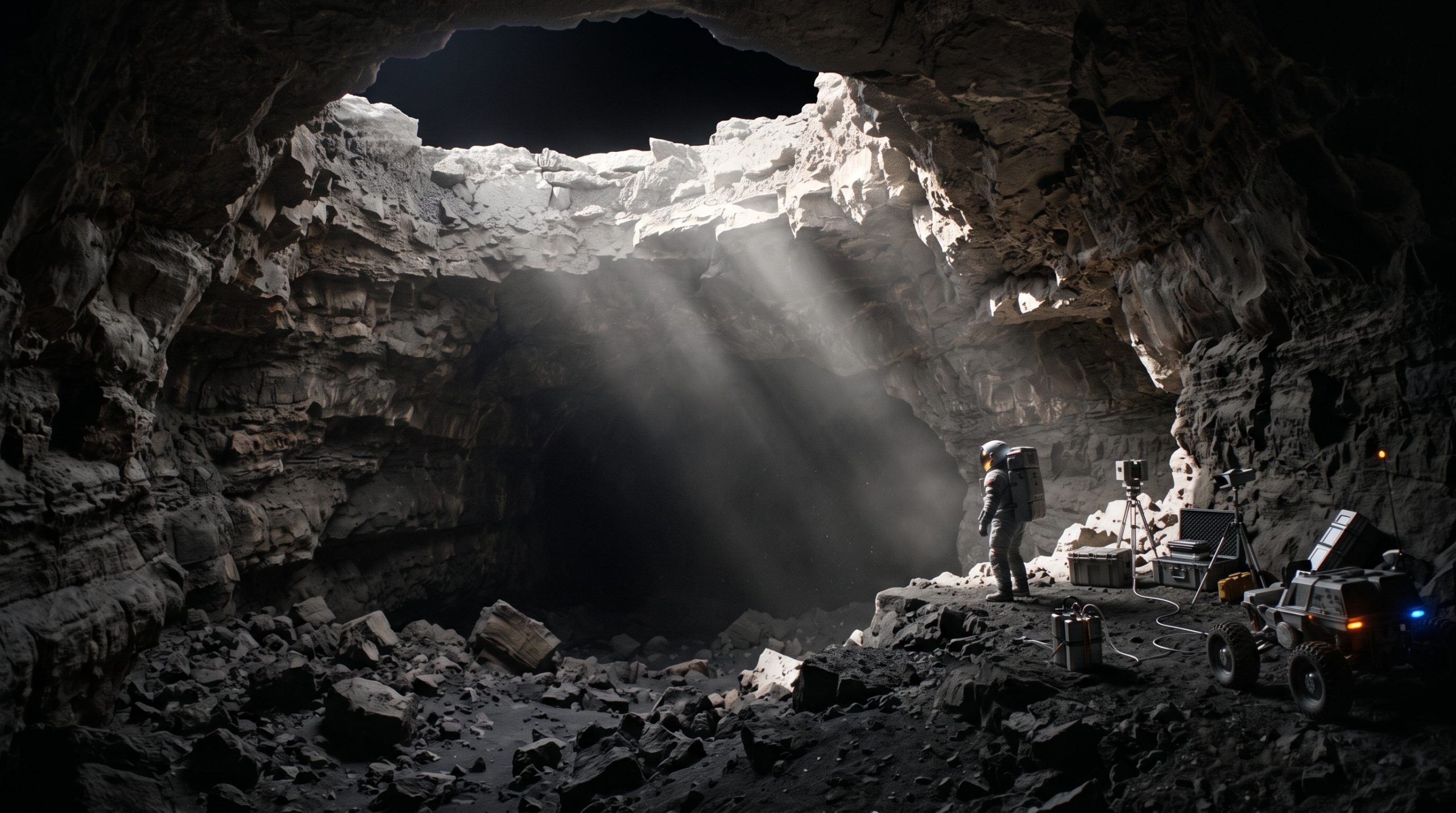
Στο κυνήγι υπόγειων καταφυγίων στη Σελήνη μπαίνει επίσημα η NASA, επιλέγοντας το νέο επιστημονικό πρόγραμμα GIMLI για να διερευνήσει αν το μυστηριώδες βάραθρο «Marius Hills» οδηγεί σε ένα τεράστιο υπόγειο δίκτυο ηφαιστειακών σηράγγων.
Η αποστολή επελέγη μέσω του προγράμματος PRISM της NASA και θα προσεληνωθεί με εμπορική πτήση του Commercial Lunar Payload Services (CLPS), έχοντας ως στόχο να λύσει ένα από τα μεγαλύτερα ζητούμενα της μελλοντικής επανδρωμένης παρουσίας στο διάστημα: τη φυσική θωράκιση των βάσεων.
Πώς σχηματίστηκαν οι στοές και τι ψάχνει το GIMLI:
Κατά το ηφαιστειακό παρελθόν της Σελήνης, η επιφάνεια των ροών λάβας πάγωνε, ενώ το ρευστό υλικό συνέχιζε να ρέει υπογείως. Όταν η λάβα εκκενώθηκε, άφησε πίσω της γιγάντιες κενές σήραγγες. Η κατάρρευση τμημάτων της οροφής δημιούργησε τα «βάραθρα» που εντοπίζονται από τροχιά.
Το σύστημα GIMLI θα συνδυάζει γεωραντάρ (GPR), ενεργό σεισμικό σύστημα δονήσεων, βαρυτόμετρο και κάμερες υψηλής ευκρίνειας, μετρώντας τα κενά μάζας και τις διαστάσεις της κοιλότητας κάτω από το Marius Hills.
Αν επιβεβαιωθεί η ύπαρξη εκτεταμένης σπηλιάς, ανοίγει ο δρόμος για υπόγειες επανδρωμένες βάσεις. Το παχύ στρώμα σεληνιακού βράχου προσφέρει απόλυτη προστασία από τη θανατηφόρα κοσμική ακτινοβολία, τους μικρομετεωρίτες και τις ακραίες θερμοκρασιακές μεταβολές της επιφάνειας.
Ακόμη κι αν δεν εντοπιστεί ένα ενιαίο τούνελ χιλιομέτρων, τα στρώματα ρεγόλιθου και λάβας στα τοιχώματα του βαράθρου αναμένεται να αποκαλύψουν κρίσιμα δεδομένα για τη γεωλογική εξέλιξη του φυσικού μας δορυφόρου.
.@NASA has selected a project to investigate whether the Marius Hills pit on the Moon connects to a large underground lava tube. Called GIMLI, short for Geophysical Instruments for Marius Lunar pit Investigation.
It was selected through NASA’s PRISM programme, which supports scientific investigations on the lunar surface, with instruments delivered through the Commercial Lunar Payload Services initiative.
Lava tubes are passages that can form during volcanic eruptions. As the surface of a lava flow cools and solidifies, molten rock can continue moving beneath it. When that lava drains away, it can leave an empty tunnel surrounded by solid rock. A local collapse of the roof can expose part of the passage, producing an opening visible from orbit. Lunar observations have provided evidence for these structures, but seeing a pit’s entrance gives only a limited view of what might extend beneath the surrounding terrain.
GIMLI will combine ground-penetrating radar, an active-source seismic system, a gravimeter and cameras. Radar reflections probe underground boundaries, the seismic system measures how deliberately generated vibrations travel through the ground, and gravity measurements look for variations associated with differences in mass. Together, these methods should help establish whether a cavity extends beyond the pit and constrain its dimensions. Cameras will document the surface and exposed walls.
Those walls expose successive lava flows and layers of regolith, the loose material covering the lunar surface. Studying them could help reconstruct the region’s volcanic activity, including intervals between eruptions. Even if GIMLI finds no extensive tunnel, its measurements could explain how the pit formed and improve our understanding of the surrounding geology.
The possibility of a substantial cave also matters for future human exploration. Rock above an underground space could provide shielding from radiation and micrometeorites, while sheltered interiors could experience much smaller temperature changes than the exposed surface.
Earlier research using Lunar Reconnaissance Orbiter observations and thermal modelling supports the potential advantages of some lunar pits and caves, although conditions would need to be assessed at each location. Establishing the structure beneath Marius Hills would help researchers evaluate whether this particular site could offer useful protection for future astronauts.
— Erika (@ExploreCosmos_) October 4, 2026










MOST POPULAR 24h

PRONEWS.GR / Διεθνής Ασφάλεια
Το νέο «ηφαίστειο»

PRONEWS.GR / Ένοπλες Συγκρούσεις
Έπεσε η Ντομπροπίλια

ΣΧΟΛΙΑΣΤΕ ΤΟ ΑΡΘΡΟ
Tο pronews.gr δημοσιεύει κάθε σχόλιο το οποίο είναι σχετικό με το θέμα στο οποίο αναφέρεται το άρθρο. Ο καθένας έχει το δικαίωμα να εκφράζει ελεύθερα τις απόψεις του. Ωστόσο, αυτό δεν σημαίνει ότι υιοθετούμε τις απόψεις αυτές και διατηρούμε το δικαίωμα να μην δημοσιεύουμε συκοφαντικά ή υβριστικά σχόλια όπου τα εντοπίζουμε. Σε κάθε περίπτωση ο καθένας φέρει την ευθύνη των όσων γράφει και το pronews.gr ουδεμία νομική ή άλλα ευθύνη φέρει.
Δικαίωμα συμμετοχής στη συζήτηση έχουν μόνο όσοι έχουν επιβεβαιώσει το email τους στην υπηρεσία disqus. Εάν δεν έχετε ήδη επιβεβαιώσει το email σας, μπορείτε να ζητήσετε να σας αποσταλεί νέο email επιβεβαίωσης από το disqus.com
Όποιος χρήστης της πλατφόρμας του disqus.com ενδιαφέρεται να αναλάβει διαχείριση (moderating) των σχολίων στα άρθρα του pronews.gr σε εθελοντική βάση, μπορεί να στείλει τα στοιχεία του και στοιχεία επικοινωνίας στο [email protected] και θα εξεταστεί άμεσα η υποψηφιότητά του.